
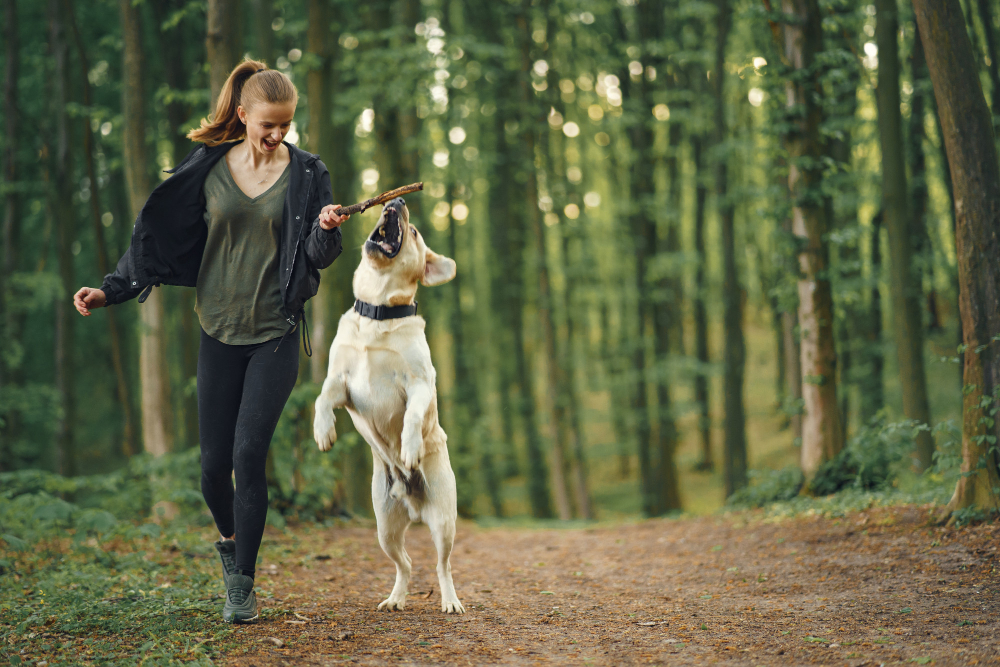
Relocating with pets can be a challenging yet rewarding experience.
As beloved members of the family, pets require special care and attention during a move to ensure their safety, comfort, and well-being.
From preparing for the journey to helping them adjust to their new home, planning is key to a smooth transition.
This guide offers practical tips and advice for moving with pets, enabling a stress-free relocation for you and your furry companions, from an mitrGlobally stance:
- Pre-Move Preparations:
1.1 Research Pet Relocation Regulations:
- Domestic Moves: Check local regulations regarding pet ownership, including licensing requirements, leash laws, and vaccination rules.
- International Moves: Understand the destination country’s import requirements, such as quarantine rules, health certificates, and specific vaccinations. Consult with your veterinarian and a pet relocation specialist if needed.
1.2 Schedule a Vet Visit:
- Ensure your pet is healthy and up-to-date on vaccinations and flea or tick treatments.
- Obtain a health certificate if required for travel or housing arrangements.
- Ask your vet about managing travel anxiety or motion sickness, and discuss sedation options if necessary.
1.3 Update Identification and Microchips:
- Ensure your pet’s ID tags are up-to-date with your new address and contact information.
- If your pet is microchipped, update the registration with the new details.
1.4 Familiarize Pets with Travel Crates:
- Purchase a sturdy, appropriately sized travel crate that meets airline or transportation requirements.
- Allow your pet to explore and get accustomed to the crate weeks before the move by placing familiar bedding or toys inside.
- Planning the Journey:
2.1 Choosing the Mode of Transportation:
- By Car: Secure your pet in a carrier or with a pet seatbelt harness. Plan for regular breaks to allow for bathroom needs, water, and a chance to stretch.
- By Air: Book a direct flight, when possible, to minimize stress. Check the airline’s pet travel policy and ensure your pet’s crate complies with their standards.
- By Professional Pet Movers: Consider hiring specialized pet relocation services for complex moves, particularly international relocations.
2.2 Packing Essentials for Pets:
Prepare a pet travel kit that includes:
- Food and water for the journey.
- Collapsible bowls for feeding.
- Medications and first-aid supplies.
- Waste bags, litter, or a travel litter box.
- Favourite toys or a blanket for comfort.
2.3 Timing the Move:
- Relocate your pet last, ensuring their familiar environment remains intact as long as possible during the packing process.
- Minimize disruptions to their routine in the lead-up to moving day.
- Ensuring Comfort During Travel:
3.1 Keeping Pets Calm:
- Use calming sprays, treats, or pheromone diffusers to reduce anxiety.
- Maintain a soothing tone and provide reassurance during the journey.
3.2 Monitoring Temperature and Ventilation:
- Avoid leaving pets in a car or confined space without adequate ventilation or climate control.
- For air travel, choose a flight during cooler parts of the day if transporting pets in the cargo hold.
3.3 Providing Regular Breaks:
- For road trips, schedule stops every 2-3 hours for dogs to stretch and relieve themselves.
- Cats and smaller animals may prefer staying in their carrier during breaks but should have access to water.
- Settling Pets into the New Home:
4.1 Create a Safe Space:
- Set up a quiet, secure area with familiar bedding, toys, and water to help your pet acclimate.
- Gradually introduce them to the rest of the house once they feel comfortable.
4.2 Reestablish Routines:
- Stick to regular feeding, walking, and playtime schedules to provide stability.
- Spend extra time bonding with your pet to reassure them during the transition.
4.3 Monitor Behaviours:
- Watch for signs of stress, such as changes in appetite, excessive hiding, or vocalization.
- Contact your vet if unusual behaviours persist or health issues arise.
- Special Considerations for Different Pets:
Dogs:
- Update your walking route and locate nearby parks for exercise and play.
- Introduce them to new surroundings gradually to prevent overstimulation.
Cats:
- Keep cats indoors initially to prevent disorientation or escape attempts.
- Provide vertical spaces like cat trees or shelves to help them feel secure.
Small Animals and Birds:
- Maintain their enclosure in a consistent location with familiar bedding and accessories.
- Avoid placing them in high-traffic areas that could increase stress.
Conclusion:
Relocating with pets requires careful planning, patience, and an understanding of their unique needs.
By addressing logistics, ensuring comfort during travel, and easing their transition into a new environment, you can make the move as stress-free as possible for your furry, feathered, or scaly friends.
With proper preparation and a focus on their well-being, your pets will soon feel at home in your new surroundings.
A thoughtful approach not only ensures their safety but also strengthens the bond you share, making the journey an enriching experience for all.
Please call us on +91 9740372980 or write to us at mitr@mitrglobally.com and we will be happy to assist you.
Alternatively, please fill-in the form: https://mitrglobally.com/free-online-assesment/
 (No Ratings Yet)
 Loading...