
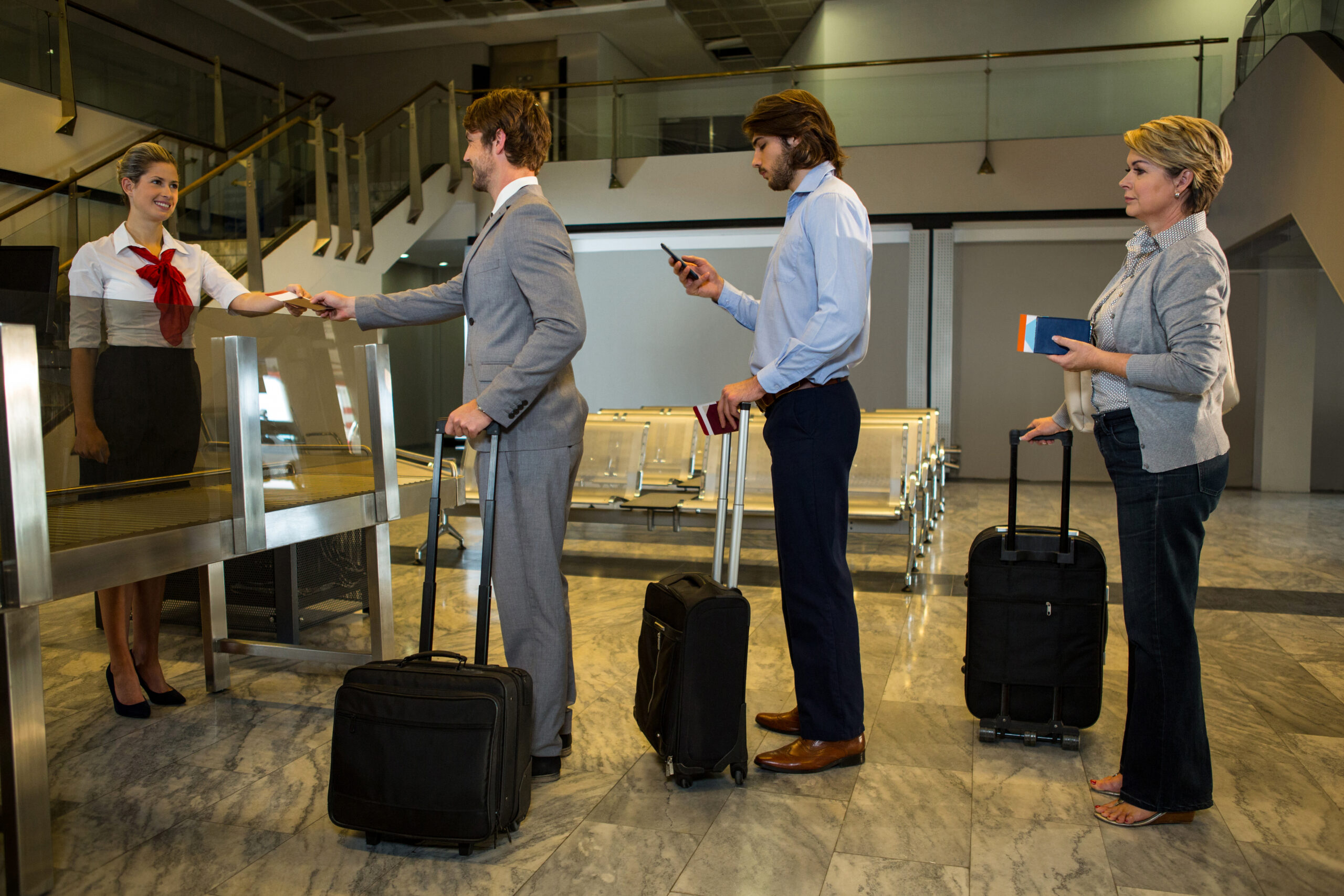
Excess Baggage Services Demystified: What You Should Know Before a Flight
Air travel has become an essential part of modern life. Whether you are traveling for work, education, family visits, or international relocation, packing your belongings properly is a crucial part of the journey. However, many travelers often face an unexpected issue at the airport — excess baggage.
If your luggage weighs more than the airline’s allowed limit, you may have to pay additional charges or find alternative solutions on the spot. Unfortunately, many passengers only learn about excess baggage rules when they arrive at the airport check-in counter, which can lead to stress, delays, and expensive last-minute fees.
Understanding how excess baggage services work can help you avoid unnecessary expenses and travel with peace of mind. In this guide, we will break down everything you need to know about excess baggage — including airline baggage policies, charges, shipping alternatives, tips to avoid extra costs, and how specialized baggage services can make your travel experience smoother.
Understanding Airline Baggage Allowance
Before discussing excess baggage, it’s important to understand how airline baggage allowances work. Every airline has its own baggage policy, and the rules can vary depending on several factors.
Typically, baggage allowance depends on:
-
Airline company
-
Travel class (Economy, Premium Economy, Business, First Class)
-
Destination (Domestic or International)
-
Frequent flyer status
-
Ticket type
Most airlines divide baggage into two categories:
1. Cabin Baggage (Carry-On)
This is the luggage you carry inside the aircraft cabin. Airlines usually allow one carry-on bag and sometimes a personal item such as a laptop bag or handbag.
Typical cabin baggage rules include:
-
Weight limit: 7–10 kg
-
Size restrictions to fit in overhead bins
-
No prohibited items such as sharp objects or large liquid containers
Passengers must ensure their cabin baggage meets airline regulations to avoid complications during security checks.
2. Checked Baggage
Checked baggage is the luggage that is handed over during check-in and stored in the aircraft cargo hold.
Typical checked baggage allowances include:
-
15–30 kg for Economy class
-
30–40 kg for Business class
-
Sometimes multiple bags depending on airline policy
If your baggage exceeds this limit, it becomes excess baggage.
What Is Excess Baggage?
Excess baggage refers to any luggage that exceeds the airline’s allowed baggage limits in terms of weight, size, or number of bags.
There are three main types of excess baggage:
Overweight Baggage
If a single bag exceeds the permitted weight limit, it is classified as overweight baggage.
For example:
If the limit is 23 kg per bag and your suitcase weighs 28 kg, the extra 5 kg will incur additional charges.
Oversized Baggage
If your luggage exceeds the maximum size dimensions allowed by the airline, it becomes oversized baggage.
Examples include:
-
Large suitcases
-
Sports equipment
-
Musical instruments
-
Oversized boxes
Extra Bags
Airlines also limit the number of checked bags allowed per passenger. If you bring more bags than permitted, they will be treated as excess baggage.
Why Excess Baggage Charges Can Be Expensive
Many travelers are surprised by how expensive excess baggage fees can be. Airlines charge high fees for several reasons:
Weight Balance of the Aircraft
Airplanes must maintain proper weight distribution for safe takeoff and landing. Excess baggage can affect the aircraft’s balance.
Limited Cargo Space
Cargo compartments have limited capacity. Airlines must manage space carefully for passenger baggage and commercial cargo.
Operational Costs
Handling extra luggage requires additional manpower, fuel consumption, and logistical planning.
Because of these factors, excess baggage fees can sometimes cost more than the price of the flight ticket itself.
How Airlines Calculate Excess Baggage Fees
Airlines usually calculate excess baggage charges based on:
Per Kilogram Rate
Some airlines charge a fee for every kilogram above the limit.
For example:
-
₹1000 – ₹3000 per extra kilogram on international flights
-
₹500 – ₹1000 per kilogram on domestic flights
Extra Bag Charges
If you carry more bags than allowed, airlines charge a flat fee for each additional bag.
Oversized Item Fees
Large luggage items that exceed size limits often incur separate oversized baggage fees.
These charges vary significantly depending on the airline and route.
What Are Excess Baggage Services?
Excess baggage services are specialized solutions that help travelers transport additional luggage without paying extremely high airline fees.
These services are provided by:
-
Logistics companies
-
Courier services
-
Airport baggage specialists
-
International shipping companies
Instead of carrying everything on your flight, you can ship your luggage separately to your destination.
Benefits of Using Excess Baggage Services
Many frequent travelers, students, and families moving abroad prefer excess baggage services for several reasons.
Cost Savings
Shipping luggage separately is often cheaper than airline excess baggage charges.
For example, airlines may charge thousands of rupees per extra kilogram, while baggage shipping companies offer discounted rates for larger shipments.
Door-to-Door Delivery
Most excess baggage services provide door-to-door pickup and delivery, which eliminates the need to carry heavy luggage through airports.
Convenience
Traveling with fewer bags makes airport check-in, security checks, and boarding much easier.
Better Tracking
Professional baggage services offer real-time tracking, so you can monitor your shipment during transit.
Insurance Protection
Many service providers offer insurance coverage in case of loss or damage.
Who Needs Excess Baggage Services?
Excess baggage services are particularly useful for certain types of travelers.
International Students
Students moving abroad often carry books, clothes, and personal items that exceed airline limits.
Shipping luggage ahead of time helps reduce travel stress.
Families Relocating Abroad
When families move to another country, they usually have a large number of personal belongings.
Excess baggage shipping allows them to transport items without paying excessive airline fees.
Long-Term Travelers
People traveling for extended periods may need extra clothing, equipment, or supplies.
Sports Enthusiasts
Athletes often carry large equipment such as:
-
Golf clubs
-
Surfboards
-
Bicycles
-
Ski gear
Specialized baggage services can handle these items safely.
Tips to Avoid Excess Baggage Charges
Even if excess baggage services are available, it’s still best to avoid unnecessary charges when possible.
Here are some practical tips.
Check Airline Baggage Policies in Advance
Before packing, review your airline’s baggage rules carefully. Knowing the limits will help you pack smarter.
Weigh Your Bags at Home
Use a luggage scale to check the weight of your bags before leaving for the airport.
This simple step can save you from surprises at the check-in counter.
Use Lightweight Suitcases
Heavy suitcases reduce the amount of weight available for your belongings.
Choose lightweight luggage to maximize your packing capacity.
Wear Bulky Clothing
If you’re carrying heavy jackets or shoes, consider wearing them during the flight to reduce luggage weight.
Distribute Weight Evenly
If you’re traveling with multiple bags, distribute the weight evenly across them.
Ship Items in Advance
If you know you will exceed baggage limits, ship some items ahead using a baggage shipping service.
Items That Often Cause Excess Baggage Issues
Some items commonly push travelers over the weight limit.
Examples include:
-
Books and study materials
-
Winter clothing
-
Gifts and souvenirs
-
Kitchen items
-
Electronics
-
Sports equipment
Packing strategically can help you manage these items efficiently.
How to Choose a Reliable Excess Baggage Service
If you decide to use an excess baggage shipping service, choosing a trustworthy provider is essential.
Consider the following factors:
Reputation and Reviews
Look for companies with positive customer reviews and strong reputations.
Transparent Pricing
Ensure the company provides clear pricing without hidden charges.
Tracking Services
Reliable companies offer tracking systems so you can monitor your luggage in real time.
Insurance Options
Choose a service that offers insurance protection for valuable belongings.
Delivery Time
Confirm the estimated delivery timeline to ensure your luggage arrives on time.
When Should You Book Excess Baggage Services?
The best time to book baggage shipping services is at least one to two weeks before your flight.
Early booking provides several advantages:
-
Lower shipping costs
-
Guaranteed delivery timelines
-
Better coordination with travel plans
Last-minute arrangements may lead to higher charges or delays.
The Future of Baggage Services
As global travel increases, the demand for convenient baggage solutions continues to grow. Many companies are introducing innovative services such as:
-
Smart luggage tracking systems
-
App-based baggage management
-
AI-powered logistics solutions
-
Airport luggage storage and forwarding services
These innovations aim to make travel easier and more efficient for passengers worldwide.
Final Thoughts
Excess baggage can quickly turn an exciting trip into a stressful and expensive experience if you are not prepared. Understanding airline baggage policies, planning your packing carefully, and exploring excess baggage services can help you avoid unexpected fees and travel with greater convenience.
Whether you are a student relocating abroad, a frequent international traveler, or someone carrying extra belongings for a long journey, knowing how to manage your luggage effectively is an important part of travel planning.
By staying informed, weighing your bags in advance, and considering professional baggage shipping services when necessary, you can ensure a smoother and more enjoyable travel experience.
After all, travel should be about discovering new destinations and creating memorable experiences — not worrying about overweight luggage at the airport.
 (No Ratings Yet)
 Loading...