
Eligibility & route assessment
We assess the role, salary, qualifications and nationality to recommend the strongest work visa route, and we flag any risk before you invest time or government fees.
An employment visa lets a foreign national live and work legally for a sponsoring employer in another country. mitrGlobally manages the whole journey for companies and professionals – eligibility, documents, sponsorship paperwork, filing and arrival compliance – so new hires start on time and stay compliant.

An employment visa (often called a work visa) is permission from a destination country for a foreign national to take up paid work with a specific employer, usually for a fixed term. It is normally employer-sponsored and needs a job offer, proof of qualifications, a valid passport and, in many countries, a minimum salary or labour-market approval.
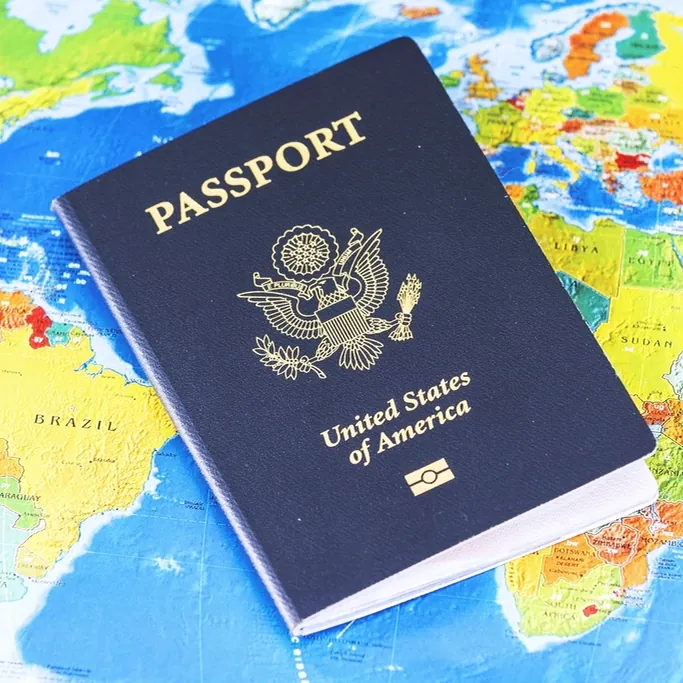
Hiring talent across borders is now routine, yet every country writes its own rules. Salary thresholds, sponsor licences, degree attestation, medical tests and quota systems differ from one destination to the next, and a single missing document can push a start date back by weeks. That delay costs projects, revenue and candidate goodwill.
mitrGlobally acts as your single point of contact for every employment visa application. Our immigration specialists confirm which category fits the role, prepare a precise document list, review every form before submission and track the case until the visa is stamped. We then help with arrival steps such as residence registration, so the assignment starts on a compliant footing.
Choosing the wrong route is one of the most common reasons applications are refused. A business visa cannot be used for productive work, an intra-company transfer may not suit a local hire, and some roles qualify for fast-track talent schemes that employers overlook. We map the job title, salary, contract length and the employee's profile against each category before anything is filed.
Rules are published by each government, so we always work from official sources. In the UK, for example, most sponsored hires use the Skilled Worker visa, which needs a certificate of sponsorship from a licensed employer. Applications for India are lodged through the official Indian Visa Online portal, and anyone staying longer than 180 days must complete FRRO registration within 14 days of arrival.
Because we look after visas, relocation and travel together, your HR team gets one plan, one timeline and one accountable partner instead of a chain of separate suppliers.
Every step is covered by one accountable team, so HR never has to chase multiple vendors, couriers or embassies.
We assess the role, salary, qualifications and nationality to recommend the strongest work visa route, and we flag any risk before you invest time or government fees.
You receive a destination-specific checklist covering passports, photographs, degrees, experience letters, contracts and any translations or apostilles the authorities expect.
We help employers prepare sponsorship letters, company documents, licences or quota approvals that many countries require before they will issue a permit to work.
Our specialists complete the forms, book biometrics or embassy appointments and submit the file accurately the first time, with a full review before anything is sent.
Degree and marriage certificates are routed through notary, apostille, embassy or chamber of commerce legalisation wherever the destination country demands it.
Spouses and children are built into the plan with matching dependant applications, so families can travel together and settle in at the same time.
We monitor expiry dates and start renewals early, keeping assignees legally employed without gaps, fines or overstays that could affect future applications.
After landing, we coordinate residence permits, FRRO or local registration, ID cards and tax numbers so the new hire can start work and get paid without delay.
Our service supports organisations of every size, and the professionals and families they move across borders.
HR and global mobility teams relocating staff on long-term assignments or intra-company transfers who need predictable timelines and audit-ready records for every case.
Start-ups and mid-sized firms recruiting international talent for the first time, without an in-house immigration team or local legal entity to lean on.
Engineers, IT consultants, doctors, finance experts and managers who hold a job offer and want an experienced team to manage paperwork while they prepare to move.
Employees moving with a spouse and children who need dependant visas, school planning, housing and local registration support in the new country.
A clear, structured workflow keeps every case on schedule and every stakeholder informed at each stage.
We discuss the role, destination, start date and family situation, then confirm whether an employment visa, a work permit or another route is the right fit for the assignment.
Our team checks salary thresholds, qualification rules, sponsor obligations and current processing times, and shares a written plan with realistic dates and costs.
You upload documents to us securely. We review each one, arrange translations, apostille or embassy attestation and fix gaps before anything is filed.
We complete the forms, pay government fees on your instruction and book biometrics, medical tests or interviews at the most convenient centre.
We track the case, respond to queries from the authorities and keep HR and the employee updated until a decision is issued and the visa is stamped.
Once approved, we guide entry, local registration, residence cards and future renewals so the employee stays compliant throughout the assignment.
A plain-language overview of how employment visa systems work, so employers and employees know what to expect before they apply.
Most countries follow the same basic pattern. The employer first proves it can hire a foreign national – through a sponsor licence, a work permit approval, a labour-market test or a quota allocation. The employee then applies for the employment visa itself, usually from their home country, with the job offer and supporting documents.
After arrival, many destinations require a further step such as a residence permit, an ID card or police registration. Understanding all three stages – employer approval, visa issue and post-arrival registration – is the key to a realistic timeline.
Employer-sponsored routes tie the employment visa to one company and role. Points-based or talent routes assess the individual on age, skills, language and salary, and may allow more freedom to change jobs. We check which routes exist for your profile before recommending one.
Applicants usually attend an appointment to submit biometrics – fingerprints and a photograph – and hand over original documents. Some consulates also interview applicants. Preparing well for this stage avoids repeat visits and delays to the employment visa decision.
Spouses and children can usually apply as dependants once the main employment visa is approved, or at the same time. Marriage and birth certificates often need legalisation, so they should be prepared early.
An employment visa normally allows work only for the sponsoring employer, in the approved role and location. Changes in employer, job title or salary may need permission. Keep a note of expiry dates and start renewals early.
Plain-English definitions of the terms you will meet during the process.
Exact employment visa requirements vary by country and category, but most applications ask for the following documents.
These terms are often confused. Here is how the main options differ in purpose, length and sponsorship.
| Factor | Employment visa | Business visa | Work permit |
|---|---|---|---|
| Purpose | Paid, productive work for a sponsoring employer | Meetings, conferences, negotiations – no productive work | Authorisation to work, often issued alongside a residence visa |
| Typical length | 1–3 years, renewable | Days to months per visit | Linked to the contract or visa length |
| Sponsor needed | Yes, in most countries | Usually an invitation letter only | Yes, the employer usually applies |
| Family can join | Usually, on dependant visas | Rarely | Depends on the country |
| Best for | Long-term hires and assignments | Short business visa trips | Countries with separate work permits |
Small decisions made early have the biggest effect on approval speed. These are the habits we see in the smoothest cases.
Degree and marriage certificate legalisation is usually the slowest step. Begin it the day the offer is accepted, in parallel with everything else, rather than waiting for the employer's paperwork.
The title, duties and salary in the contract should mirror the occupation code or category you apply under. Inconsistencies between the offer letter and the form are a frequent reason for queries.
Many countries want at least six months of validity beyond the intended stay and two blank pages. Renewing a passport mid-process can reset appointments, so check it first.
Filing dependant visas at the same time as the main application avoids separate appointments and keeps the family on one timeline for flights, housing and schools.
Registration with local authorities is often due within days of landing. Missing it can lead to fines or problems at renewal, so build those dates into the onboarding plan.
Most delays are predictable. Our job is to remove them before they affect a start date.
How we solve it: We monitor immigration updates across destinations and re-validate every case against the current rules immediately before filing, so last-minute policy changes do not catch you out.
How we solve it: We start legalisation in parallel with other preparation and use established channels with notaries, embassies and chambers of commerce to protect start dates.
How we solve it: We plan appointments early, watch for openings and advise on premium or priority processing wherever the destination offers it.
How we solve it: We track registration deadlines, residence permit collection and renewals so no assignee falls out of status or faces penalties.
We combine global reach with personal, accountable service. One team owns your case from the first call to the final registration.
A trusted network of local immigration partners gives us current, on-the-ground knowledge in every major destination.
Our specialists have handled complex work visa cases for corporates, SMEs and individual professionals.
Documents are handled confidentially and every application follows the destination's immigration law.
Questions do not wait for office hours. Reach our team on phone, email or WhatsApp whenever you need us.
Visas, relocation, travel and employer of record services under one roof.
Clear timelines, honest advice on success factors and regular status updates for HR and the employee.
mitrGlobally is a global mobility partner that helps organisations, professionals and families move across borders with confidence. From our offices in Bangalore, India and Milton Keynes, United Kingdom, and a trusted partner network covering 150+ countries, we bring global mobility, immigration, travel and relocation services together under one roof – so every international move has one accountable team.
Our Employment Visa service is part of our immigration practice. It connects directly with our other services, which means fewer hand-offs, fewer delays and a single point of contact from the first enquiry to the final settling-in step.
With 18+ years of expertise, more than 10,000 visas delivered and 24/7 support, we combine specialist knowledge with genuinely personal service. Every case is handled securely, confidentially and in line with the laws of the countries involved.
Every engagement starts with a free consultation to understand your situation and goals. You then receive a clear written plan with realistic timelines, the documents required and transparent costs, followed by regular updates until the work is complete. Applications are submitted only through official government channels. Whether you are an HR leader moving many people each year or a family planning a single move, you get the same careful, accountable service from one team.
Straight answers to the questions our clients ask most. Need something more specific? Our team replies quickly.
Processing time depends on the country, category and season. Some decisions arrive within two to three weeks, while sponsor approvals, quotas or lotteries can extend the timeline to several months. We give you a realistic estimate after the eligibility check and update it as the case moves.
The terms are often used interchangeably. In many countries the employment visa is the entry visa that lets you take up a job, while a work permit is a separate authorisation to work. Some countries combine both in one document; others issue them separately.
Usually not. Most routes require a confirmed offer from a sponsoring employer. A few countries run job-seeker or points-based schemes that let skilled workers enter first and find work later. We can tell you whether such an option exists for your profile.
In most destinations your spouse and children can apply for dependant visas linked to your permit. Their rights to work or study vary by country. We prepare the family applications together with yours to keep everyone on the same timeline.
Typical reasons include a salary below the required threshold, a job that does not match the category, unattested or inconsistent documents, weak employer sponsorship and incomplete forms. A careful review before submission prevents most of these problems.
Many countries, especially in the Gulf, Australia, Canada and parts of Europe, ask for a police clearance certificate from your home country and from places you have lived. We confirm whether it is needed and can arrange the certificate for you.
India generally requires foreign nationals on this visa to earn above a set annual salary threshold, with exceptions for certain roles such as ethnic cooks, translators and teachers. Because thresholds can change, we confirm the current figure against the official rules before filing.
Yes. Most work visas can be renewed or extended while the employee stays with the sponsoring employer. Renewals should start well before expiry; we track the dates and begin the process early to avoid gaps.
Changing employers usually requires a new visa, a sponsorship transfer or official permission, depending on the country. Working for a new employer without approval can breach your conditions. Our change of sponsorship service handles this safely.
Fees depend on the destination, category, number of family members and services included. Government fees are separate and charged at actual cost. Share your requirement through the form and we will send a transparent quote after a free consultation.
It depends on the activities and the country. Meetings and conferences are often allowed on a business visa, but hands-on project work usually needs an employment visa or work permit, even for short periods. We assess each trip before you travel.
Yes. We support foreign nationals applying for an India employment visa, including document preparation, filing through the official portal and FRRO registration after arrival.
Tell us about the role and destination. We will confirm the right route, the documents you need and a realistic timeline – free and without obligation.