
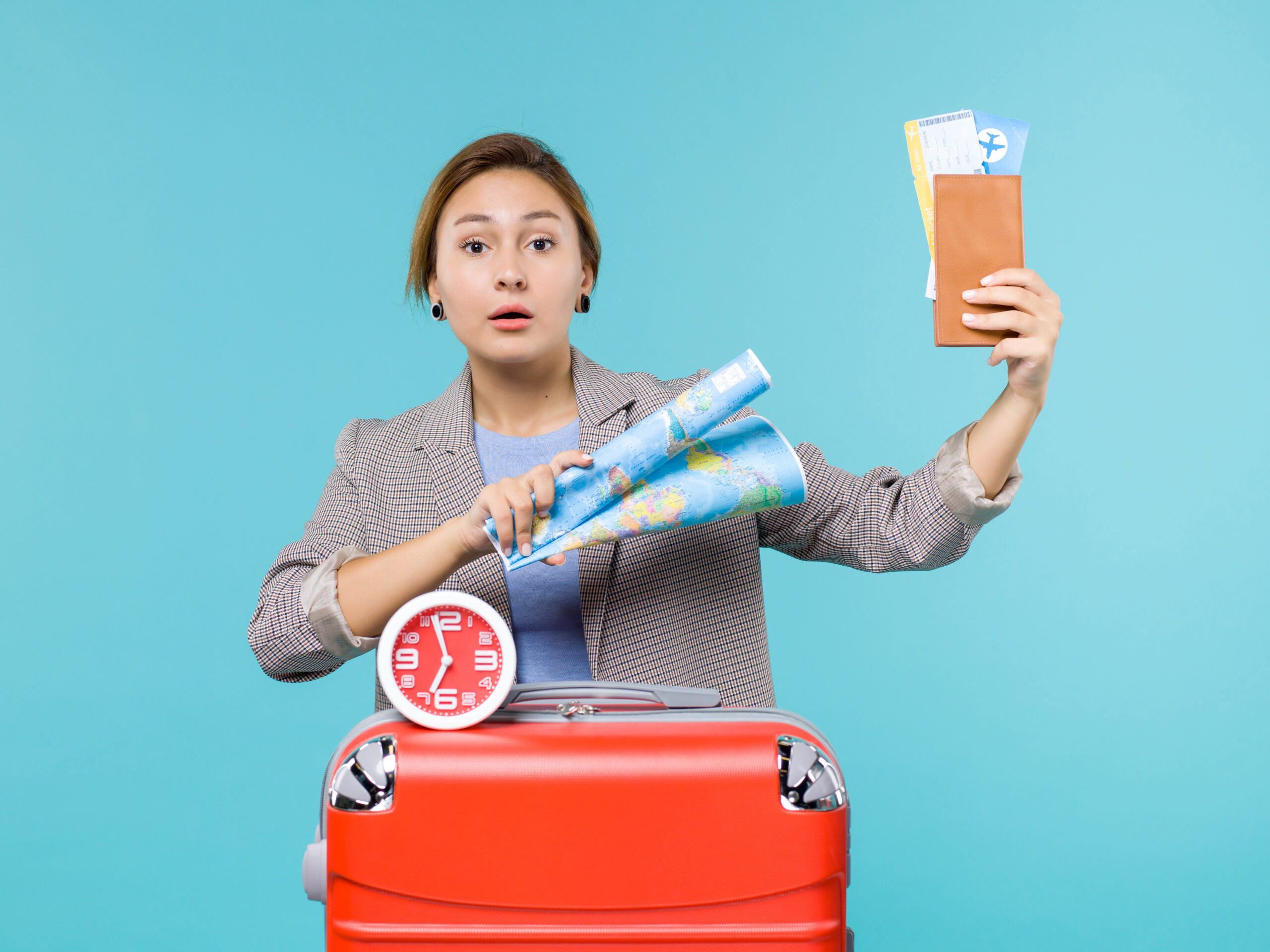
Travel Insurance 101: What to Cover & Why It Matters
Traveling abroad is an exciting experience. Whether you are planning a vacation, a business trip, studying overseas, or relocating to another country, international travel opens the door to new cultures, opportunities, and unforgettable memories. However, while people spend months planning their itinerary, flights, accommodation, and activities, many overlook one essential aspect of travel planning — travel insurance.
Travel insurance is often seen as an optional expense, but in reality, it is one of the most important protections you can have while traveling. Unexpected events such as medical emergencies, flight cancellations, lost baggage, or travel delays can turn a dream trip into a stressful and expensive situation. Travel insurance helps protect you financially and ensures that you receive support when things don’t go as planned.
In this guide, we will explore what travel insurance covers, why it matters, and how to choose the right policy for your trip.
What Is Travel Insurance?
Travel insurance is a type of insurance policy designed to cover financial risks and losses that may occur while traveling. These risks can include medical emergencies, trip cancellations, lost luggage, travel delays, and other unexpected disruptions.
Depending on the policy you choose, travel insurance can provide assistance before, during, and even after your trip. It acts as a safety net that protects your investment in the trip and gives you peace of mind while exploring new destinations.
Whether you are traveling domestically or internationally, having travel insurance ensures that you are prepared for the unexpected.
Why Travel Insurance Matters
Many travelers assume that nothing will go wrong during their trip. However, unexpected situations can happen to anyone, anywhere in the world.
Here are some reasons why travel insurance is essential:
1. Medical Emergencies Abroad
Healthcare costs in many countries can be extremely high. If you face a medical emergency while traveling, treatment costs can quickly become overwhelming. Travel insurance helps cover expenses related to hospital visits, doctor consultations, medications, and emergency treatments.
Some policies also cover medical evacuation, which means you can be transported to a nearby medical facility or even back to your home country if required.
Without travel insurance, you may have to pay these expenses out of pocket.
2. Trip Cancellation Protection
Sometimes travelers are forced to cancel their trip due to unexpected situations such as illness, family emergencies, or work commitments.
Travel insurance with trip cancellation coverage reimburses non-refundable expenses such as flight tickets, hotel bookings, and tour packages. This protection ensures that you don’t lose the money you invested in your trip.
3. Coverage for Travel Delays
Flight delays are more common than many travelers expect. Weather issues, airline technical problems, or airport congestion can disrupt travel plans.
Travel insurance can cover additional expenses caused by delays, including:
-
Hotel stays
-
Meals
-
Transportation costs
-
Rebooking fees
This helps travelers manage unexpected waiting periods without financial stress.
4. Lost or Delayed Baggage
Losing luggage during travel can be frustrating, especially when essential items such as clothes, documents, or electronics are inside.
Travel insurance can compensate you if your baggage is lost, stolen, or damaged. Some policies also provide reimbursement for essential purchases if your luggage is delayed.
This coverage ensures that travelers are not left stranded without basic necessities.
5. Personal Liability Protection
Accidents can happen anywhere. If you accidentally damage someone’s property or cause injury to another person while traveling, you may be legally responsible.
Travel insurance can cover legal expenses and compensation costs under personal liability coverage.
This type of protection is especially useful when traveling internationally where legal systems and liability rules may differ from your home country.
What Travel Insurance Should Cover
When choosing a travel insurance policy, it is important to understand the key areas of coverage. Not all policies are the same, so selecting the right one depends on your travel needs.
Here are the most important types of coverage to look for.
Medical Coverage
Medical coverage is the most important part of any travel insurance policy. It covers healthcare expenses if you become ill or injured during your trip.
Medical coverage may include:
-
Hospitalization expenses
-
Doctor consultations
-
Emergency treatments
-
Prescription medications
-
Emergency medical evacuation
For international travelers, this coverage is extremely important because many countries require upfront payment for medical services.
Trip Cancellation and Interruption
This coverage protects your travel investment if you need to cancel or cut short your trip due to unforeseen circumstances.
Covered situations may include:
-
Sudden illness or injury
-
Death of a family member
-
Natural disasters
-
Visa rejection
-
Airline disruptions
Trip interruption coverage also reimburses unused travel arrangements if your trip ends earlier than planned.
Baggage and Personal Belongings
Travel insurance can protect your belongings during the trip. If your baggage is lost, stolen, or damaged, the insurance policy may reimburse the value of your items.
This coverage usually includes:
-
Checked baggage
-
Carry-on luggage
-
Personal belongings
-
Travel documents such as passports
However, high-value items like jewelry or electronics may have specific limits.
Travel Delay Coverage
Travel delays can disrupt your itinerary and create additional expenses. Insurance policies with travel delay coverage compensate travelers for necessary costs incurred during delays.
This may include:
-
Hotel accommodation
-
Meals and refreshments
-
Local transportation
Some policies provide compensation if delays exceed a certain number of hours.
Emergency Assistance Services
Many travel insurance providers offer 24/7 emergency assistance services.
These services help travelers with:
-
Finding nearby hospitals
-
Emergency medical coordination
-
Lost passport assistance
-
Travel document support
-
Legal referrals
Having access to professional assistance while traveling in a foreign country can make a significant difference during emergencies.
Types of Travel Insurance Policies
Travel insurance policies come in different types depending on how often you travel and the purpose of your trip.
Single Trip Insurance
This type of policy covers one specific trip. It starts when you leave your home country and ends when you return.
Single-trip insurance is ideal for:
-
Vacation travelers
-
Occasional international trips
-
Short-term travel plans
Multi-Trip Insurance
Frequent travelers may benefit from multi-trip insurance, which covers multiple trips within a year.
This option is suitable for:
-
Business travelers
-
Frequent flyers
-
Individuals who travel several times annually
It is often more cost-effective than purchasing separate policies for each trip.
Student Travel Insurance
Students traveling abroad for education often require specialized travel insurance.
Student travel insurance typically covers:
-
Medical expenses
-
Study interruption
-
Personal belongings
-
Emergency evacuation
Many universities also require international students to have insurance coverage during their studies.
Senior Citizen Travel Insurance
Older travelers may face higher medical risks while traveling. Senior citizen travel insurance policies are designed to provide extended medical coverage and support for travelers above a certain age.
These plans often include:
-
Higher medical coverage limits
-
Pre-existing condition support
-
Emergency medical evacuation
Factors to Consider When Choosing Travel Insurance
Selecting the right travel insurance policy requires careful consideration.
Here are some important factors to keep in mind:
Destination
Healthcare costs vary significantly between countries. If you are traveling to destinations like the United States or Europe, medical expenses can be extremely high. Choose a policy with adequate medical coverage for such destinations.
Trip Duration
Longer trips may require policies with extended coverage periods. Some insurance plans are designed for long-term travelers.
Activities Planned
If your trip involves adventure activities such as skiing, scuba diving, trekking, or skydiving, ensure that your insurance policy covers these activities.
Many standard policies exclude high-risk activities.
Coverage Limits
Check the maximum coverage limits for medical expenses, baggage loss, and trip cancellations.
Higher coverage limits provide better financial protection.
Policy Exclusions
Every insurance policy includes certain exclusions.
Common exclusions may include:
-
Pre-existing medical conditions
-
Injuries caused by alcohol or drugs
-
Participation in extreme sports
-
Traveling against government advisories
Understanding exclusions helps avoid claim rejections later.
Tips for Making a Travel Insurance Claim
If something goes wrong during your trip, knowing how to file a claim properly can make the process smoother.
Here are some useful tips:
-
Keep all documents such as medical bills, receipts, and travel tickets.
-
Report incidents immediately to local authorities if theft or loss occurs.
-
Contact your insurance provider as soon as possible.
-
Maintain copies of important documents such as passports and travel itineraries.
-
Follow the insurer’s claim process carefully.
Proper documentation and timely communication help ensure successful claims.
Common Misconceptions About Travel Insurance
Many travelers avoid purchasing travel insurance because of common misconceptions.
“I’m healthy, so I don’t need insurance.”
Even healthy travelers can face accidents, food poisoning, infections, or unexpected injuries.
“My credit card provides travel coverage.”
Some credit cards offer travel protection, but the coverage is usually limited and may not include comprehensive medical coverage.
“Travel insurance is too expensive.”
In reality, travel insurance typically costs only 4% to 10% of your total trip cost, making it a small investment compared to the potential financial losses it protects against.
Final Thoughts
Travel insurance is not just an optional add-on — it is an essential part of responsible travel planning. No matter how carefully you plan your trip, unexpected situations can occur. Medical emergencies, travel delays, or lost belongings can disrupt your journey and create financial stress.
By investing in a comprehensive travel insurance policy, you can travel with confidence knowing that you are protected against unforeseen risks.
Before your next trip, take the time to compare policies, understand coverage options, and choose a plan that suits your travel needs. With the right travel insurance in place, you can focus on what truly matters — enjoying your journey and creating unforgettable experiences around the world.
 (No Ratings Yet)
 Loading...
Latest Post

February 18, 2026

February 16, 2026
PET Movement Services — How to Travel with Your Pet

February 14, 2026